

Current Projects
-
Flavor Research
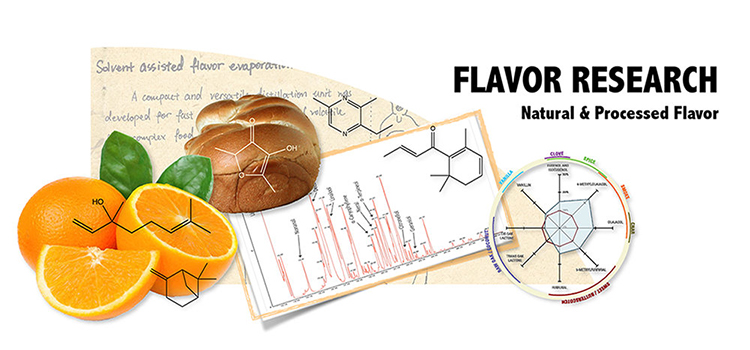
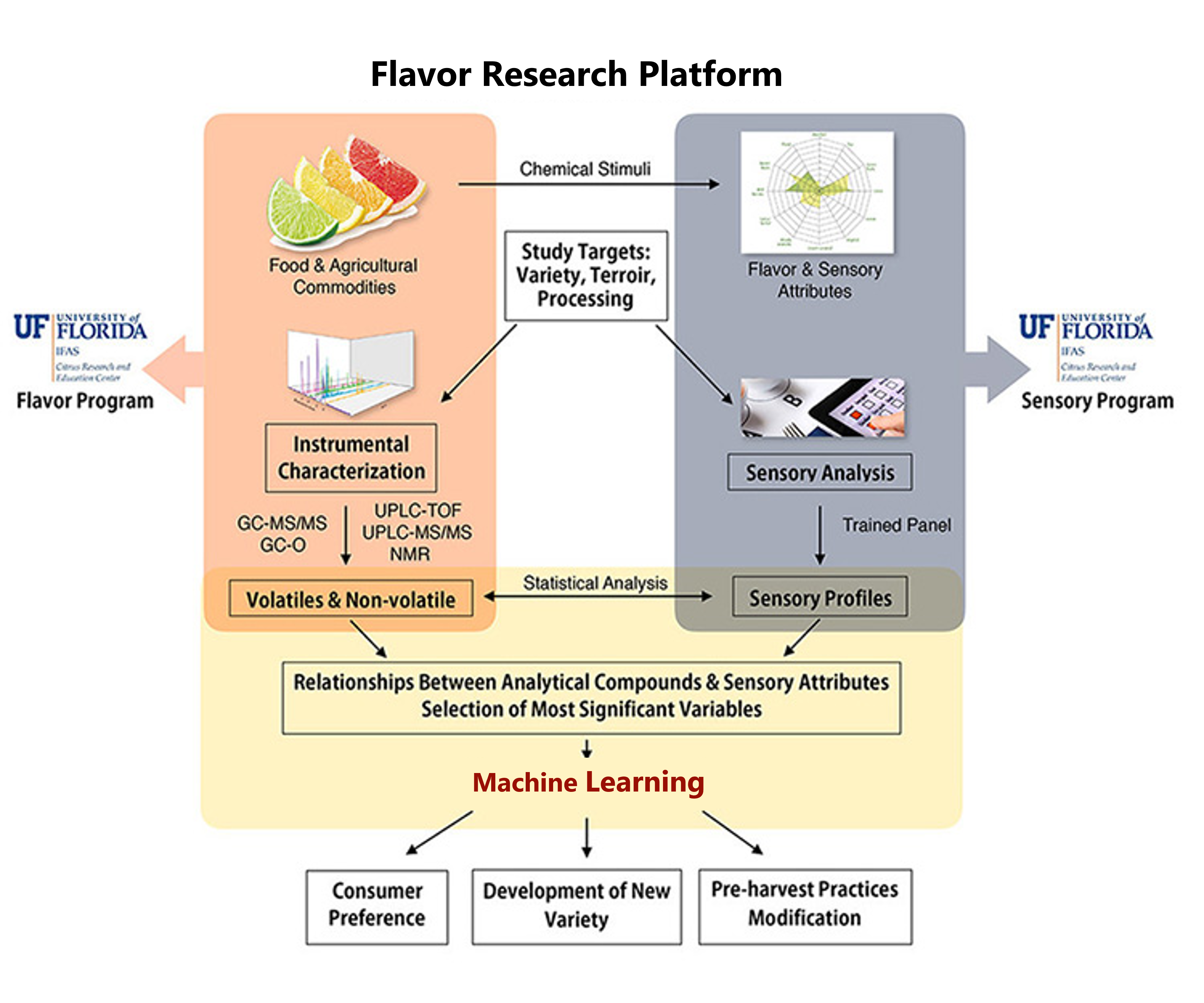
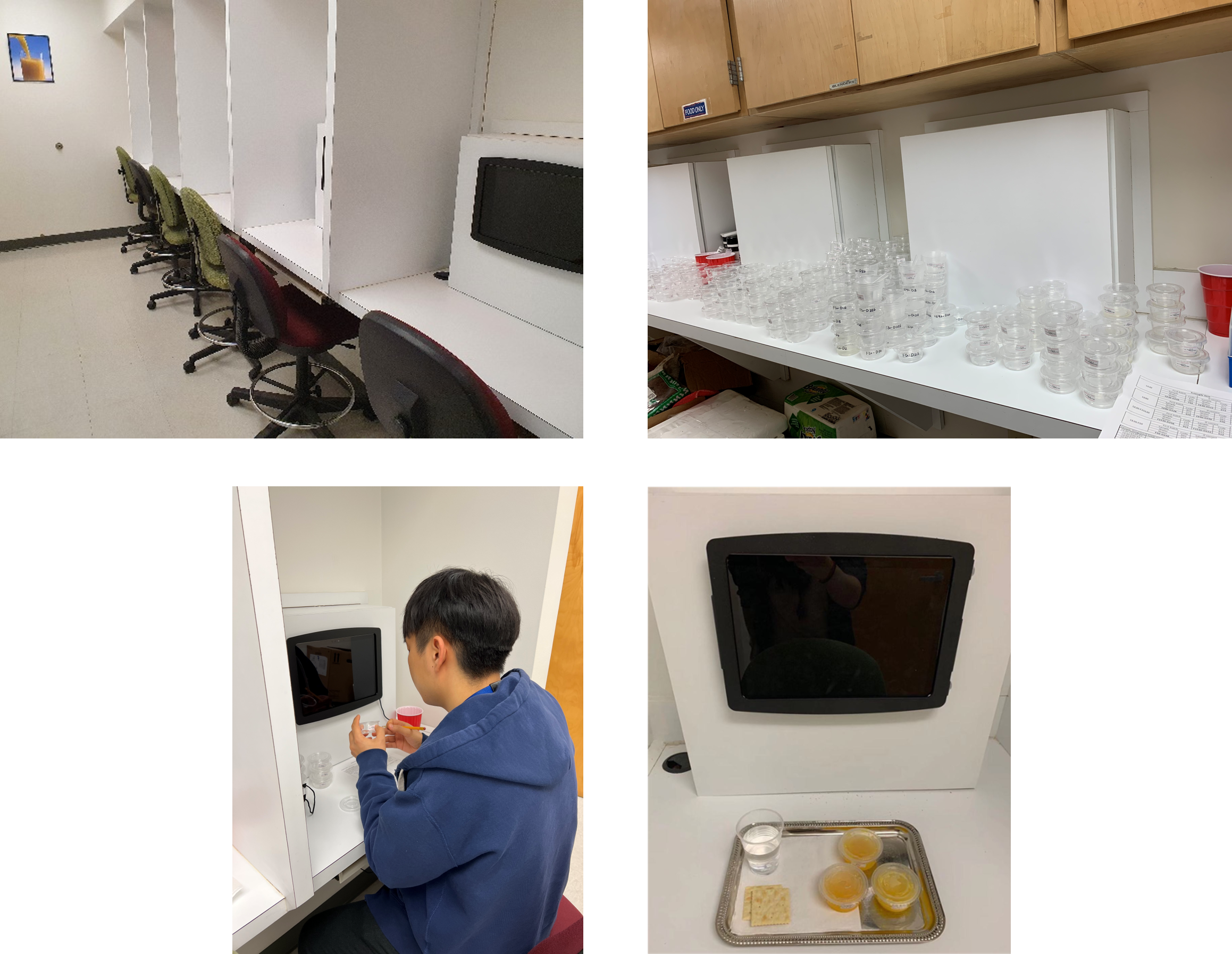
Our flavor research strives to understand the contribution of aroma/taste compounds to the flavor profile and overall sensory perception of food. Our laboratory is equipped with high-end, modern technology for performing analytical methods to enhance identification and quantification of novel aroma/taste compounds responsible for the primary flavor perceptions. We investigate the complex and challenging aspects of flavor from two perspectives: targeted and untargeted flavoromics.
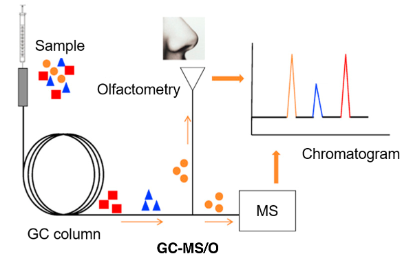
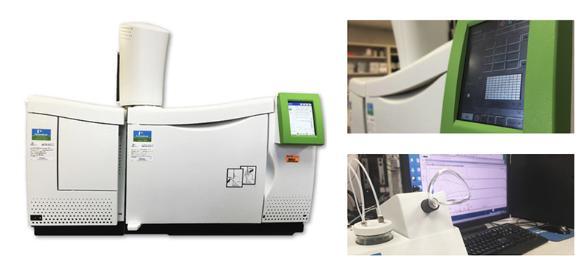
Targeted flavoromics identifies both novel and critical flavor compounds in complex food matrices through Solid Phase Micro Extraction (SPME) and/or Solvent Assisted Flavor Extraction (SAFE), with subsequent analysis using Gas Chromatography-Mass Spectrometry/Olfactometry (GC/MS-O), Liquid Chromatography-TripleQuadrupole and/or Liquid Chromatography-Orbitrap (LC-MS/MS), supplemented with NMR, sensory reconstitution and omission studies.
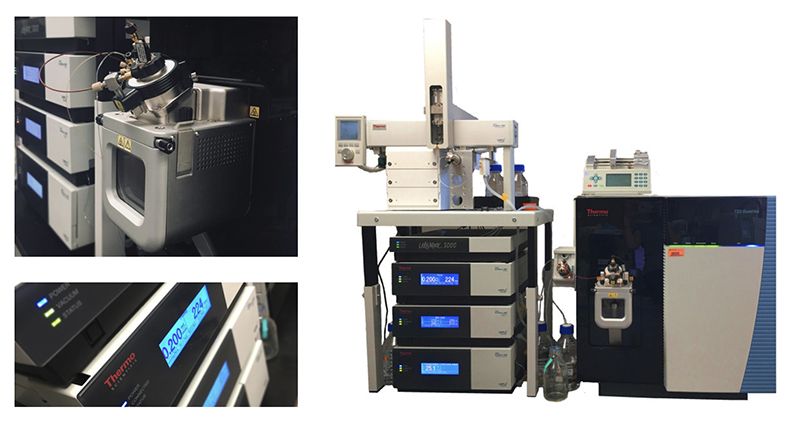
Untargeted flavoromics provides a more thorough understanding of complex aroma interactions within food systems, relationships between flavor and taste, and correlation of aroma profiles with consumer preferences, all of which are typically omitted using traditional techniques. Combining these areas, we have developed a platform as support for this flavoromics approach to reach consumer expectations. Our flavoromics platform aims to identify critical chemical constituents that make major contributions to both flavor and consumer liking. These discoveries can be used to provide deeper insights into novel variety development, as well as pre-harvest practices for the food industry.
-
Taste Modulation
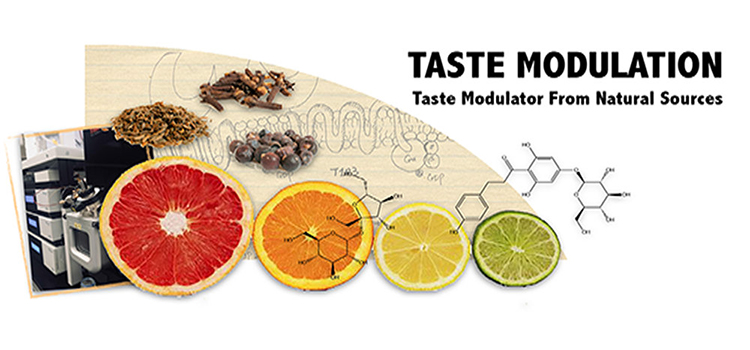
It is well known that the sweet taste of sugar increases palatability and subsequent consumption of both natural and processed food and beverages. However, overconsumption of sugar has been associated with a dramatic increase in obesity and obesity-related diseases, such as type 2 diabetes, metabolic syndrome and cardiovascular disease. This increase in obesity has placed an enormous burden on the healthcare system. Unsurprisingly, there is a growing desire on the part of both healthcare professionals and the consumers to reduce the sugar content in foods and beverages. A common strategy to mitigate some of the obesigenic aspects of sugars has been to replace it with artificial, non-caloric sweeteners. However, consumers show a growing preference for natural products and for sweeteners that more closely resemble the sensory profile of sugar. Similarly, natural foods that taste sweeter without increased sugar content would be attractive to consumers and promote healthier eating. Our growing understanding of the molecular pathways behind how the taste system detects sugar has revealed new strategies for enhancing sweetness without increasing sugar content through direct targeting of taste sensors in the mouth. We have isolated non-volatile sweetener/sweet taste enhancers from natural products and assessed their effects on sweet taste receptor activation and sweet taste behavioral responses.
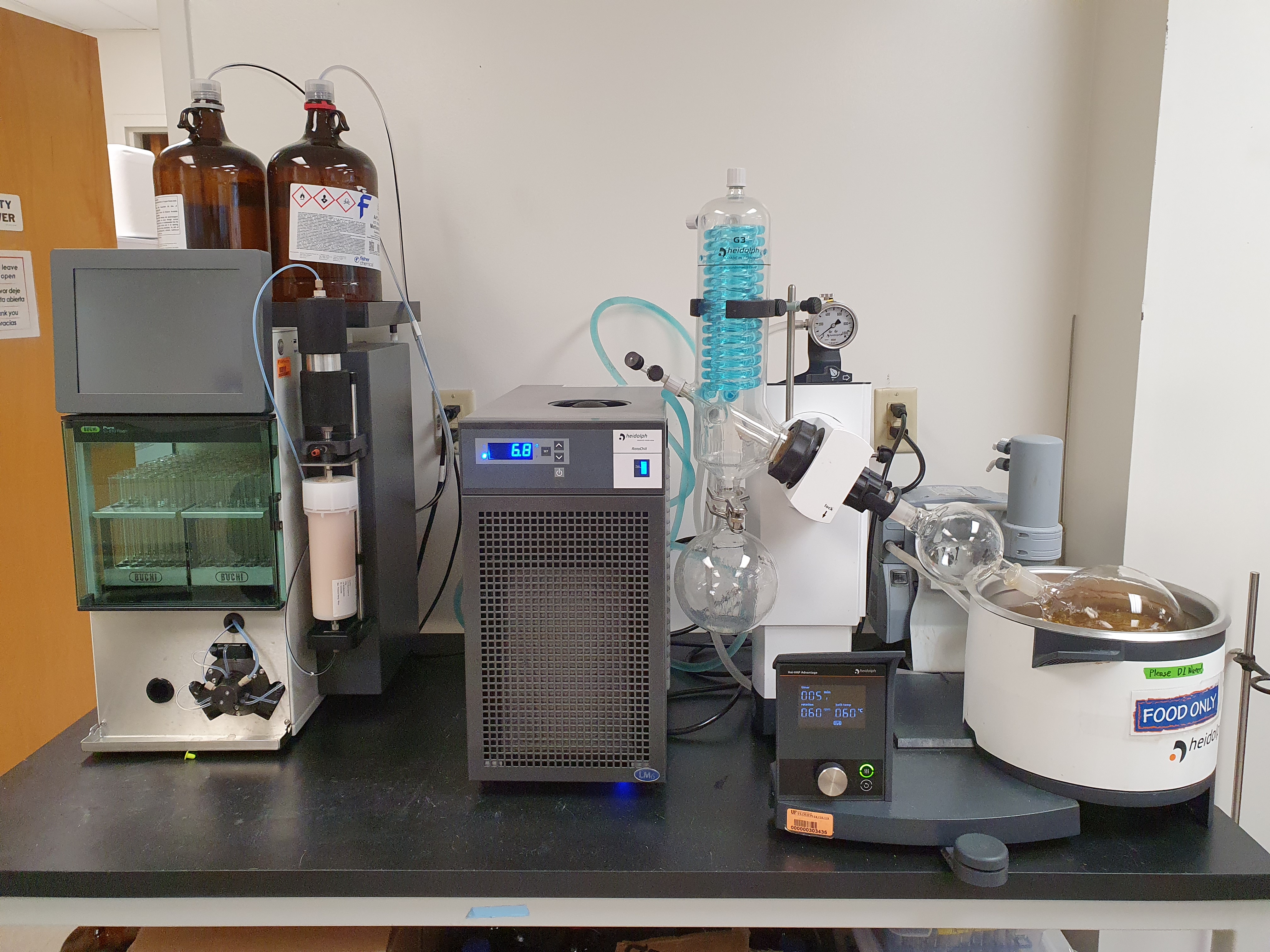

Since consumer demand indicates that purchases are based on recognizable ingredients known to be healthy, and contain less sugar and less salt, we have combined our expertise in natural products chemistry with the University of Florida’s Center for Smell and Taste (http://cst.ufl.edu) to develop taste modulating solutions designed to create natural and improved taste experiences. Our analytical approach enhances the discovery of both natural taste modulators that deliver an increased sweet or salty perception through allosteric modulation of the taste receptors, as well as plant-based natural sweeteners. In addition to our flavor research, we also investigate aroma/taste interactions to help explain how the food flavor profile exerts a taste modulating effect. Furthermore, we apply these findings to real food products containing healthy ingredients without compromising overall palatability.
-
Omics Studies
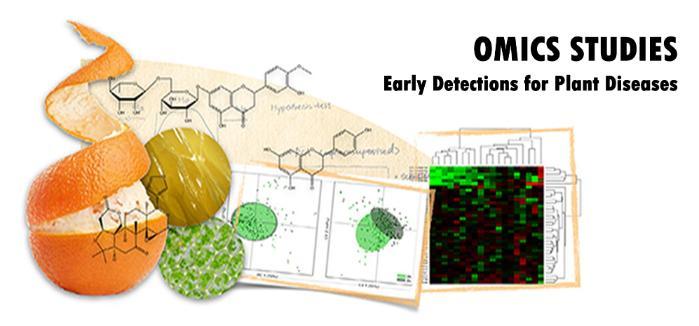
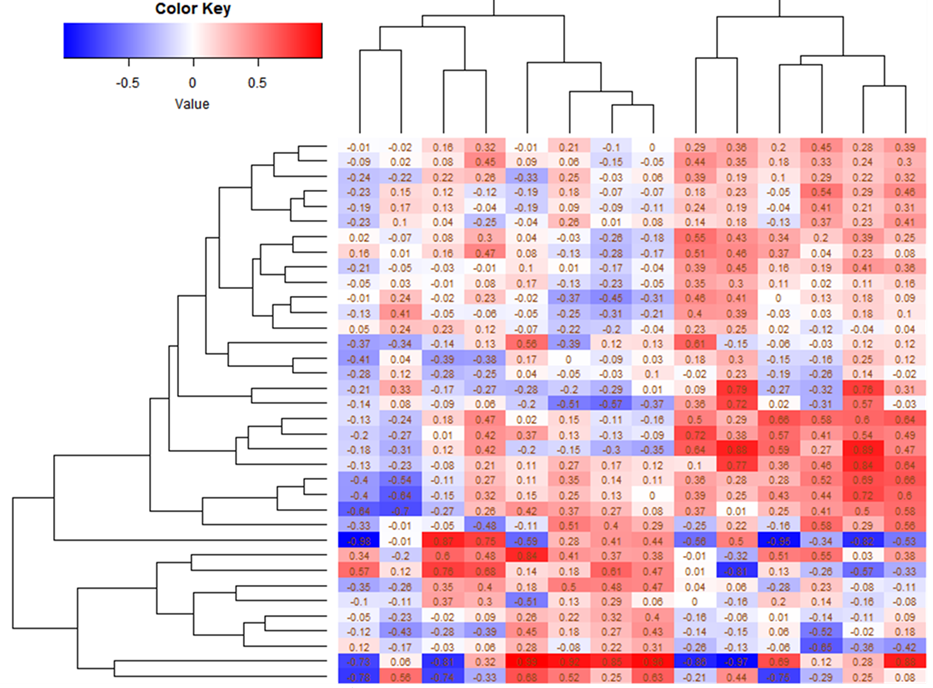
Our omics studies provide a more thorough understanding of the role of plant cellular macromolecules and their metabolites in plant signaling cascades. Our focus includes identification of individual lipids related to lipid signaling pathways; elucidation of the relationship between fatty acids and lipid oxidation products produced by plants as a defense mechanism; analysis of the signaling processes involved in stress hormone regulation; and determination of the physiology involved in lipid-mediated signaling network functions. Recently, our findings were applied to citrus trees as disease indicators for early detection of Huanglongbing (HLB), the most destructive citrus disease worldwide. Additionally, our targeted and untargeted omics studies use various analytical approaches to quantitatively profile lipids, metabolites and hormones. These results are integrated with cell biology, biochemistry, functional genomics, metabolomics and statistical analyses to identify and quantify biomarkers and biomarker patterns, help assess health and disease states in nutritional research.
Our research group has also developed a platform that includes the analysis of volatile and non-volatile metabolites. This metabolomics platform performs untargeted and targeted metabololites using reference standards, databases, and mass spectra, as well as isolates and identifies unknown compounds using column chromatography and NMR.
Untargeted Analysis
Untargeted metabolomics is designed to provide a comprehensive, qualitative and quantitative overview of the pool of small molecules present in an organism or material, such as plants or food products.
Samples from different trials are run through a multi-step process including analysis using three different platforms: LC-MS/MS(±ESI), LC-TOF/MS and GC-TOF/MS. Detected compounds are then compared to reference standards in a database, and organized by biochemical pathways to provide a high-level view of how they were altered during the experiment. This pathway-centric statistical analysis of affected biochemicals allows for rapid identification of areas to target for further investigation.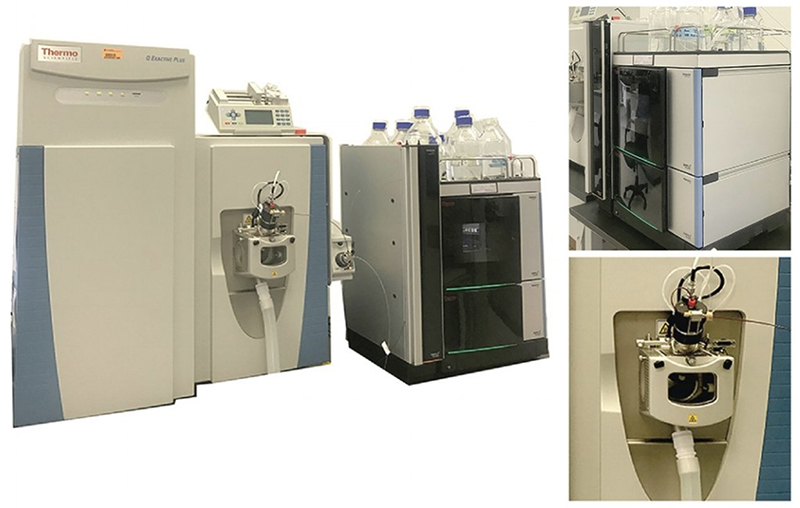
Targeted Analysis
Based on the results of an untargeted metabolomics analysis or other criteria, such as known signal/secondary metabolite compounds, targeted analysis can be performed on selected groups of analytes through specific extraction or separation/detection techniques (i.e. LC-MS/MS) optimized for the analyte(s) of interest. Selected Reaction Monitoring (SRM) in combination with stable isotope dilution assays (SIDA) are used to quantify the target compounds.
-
BioActivities Studies
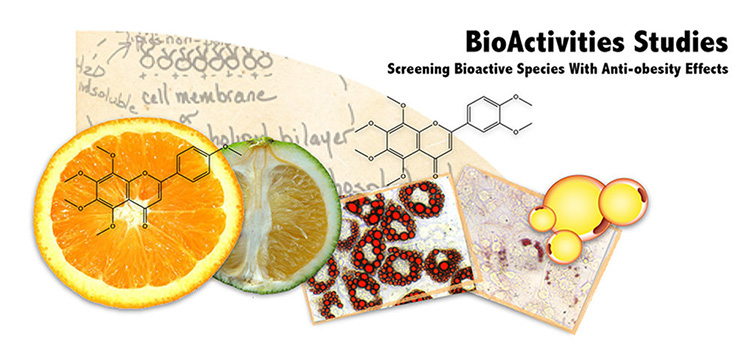
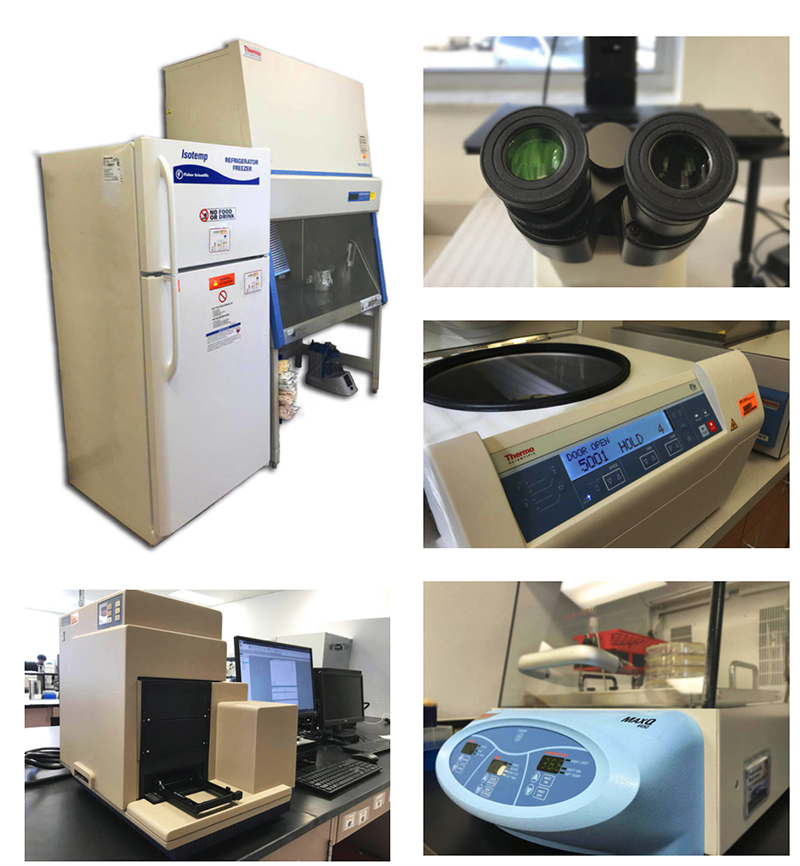
The goals for the bioactivity studies are to prevent human disease using specialty crops to benefit human health, understand the mechanisms behind disease prevention, and provide new opportunities, including potential economic benefits to Florida and US agriculture. Our program makes available the resources necessary to model specific diseases, such as inflammation, obesity, cancer and Alzheimer's, at the cellular level. These models are then used as the screening tools for bioactivity guided assays of nutraceuticals from specialty crops, as well as provide a platform on which to study the mechanisms of disease prevention.
Menu
- Laboratory Home
- Personnel
- Projects
- Publications
- Instruments and Service
- News
- Alumni
- Activities
- Openings
Contact
Dr. Yu Wang
Phone: 863.956.8673
Email: yu.wang@ufl.edu
Citrus Research & Education Center
700 Experiment Station Rd
Lake Alfred, FL 33850